The Alarming Reality at the Bottom of the Mariana Trench
🌊 The Alarming Reality at the Bottom of the Mariana Trench
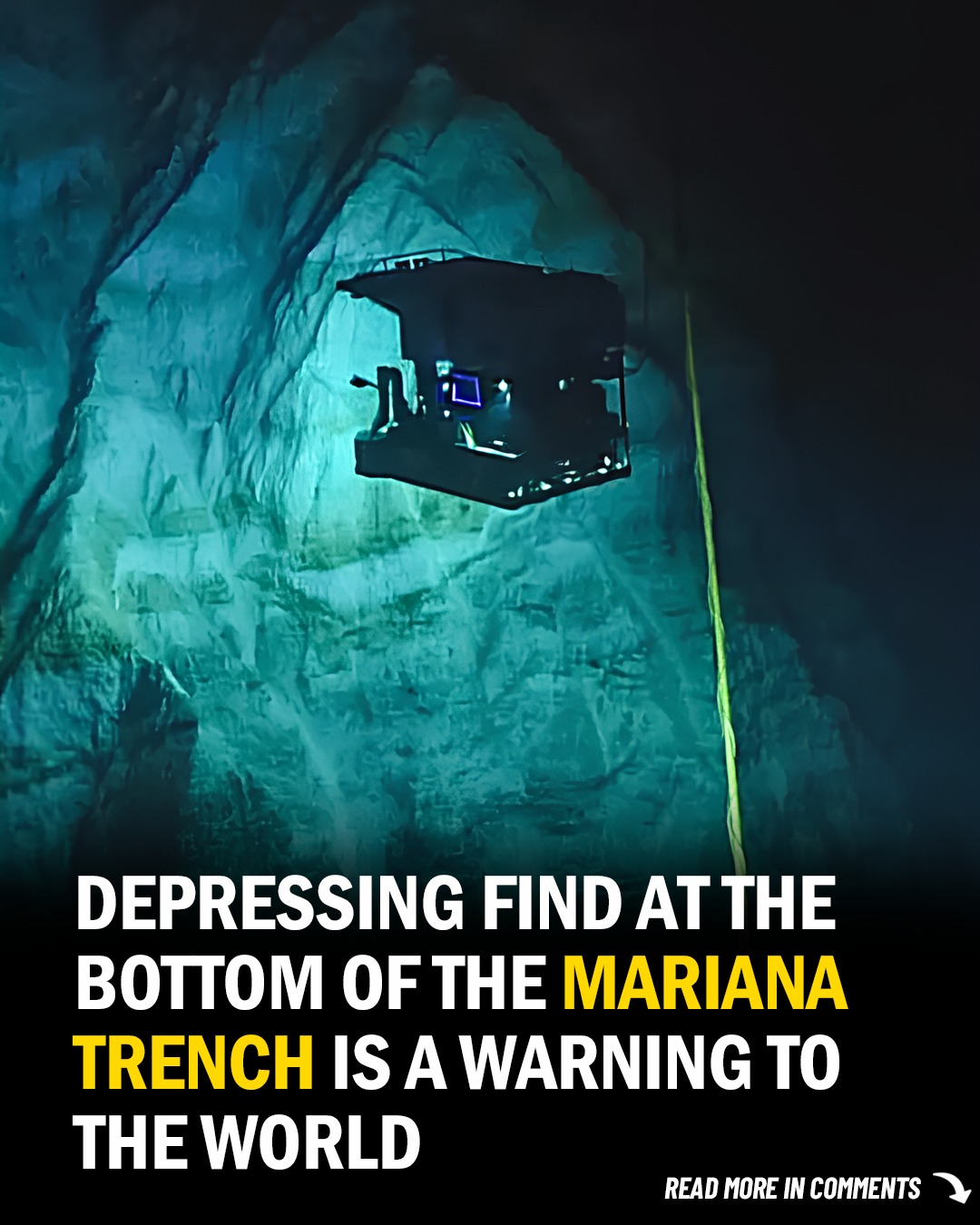
Deep beneath the surface of the Pacific Ocean lies the deepest place on Earth—the mysterious and extreme Mariana Trench. For decades, scientists believed this remote environment was untouched by human activity. But recent discoveries have shattered that illusion, revealing a disturbing truth: even the most isolated corners of our planet are no longer safe from pollution.
🌐 What Is the Mariana Trench?
The Mariana Trench stretches over 2,500 kilometers and reaches depths of nearly 11,000 meters. At its lowest point, known as Challenger Deep, the pressure is more than 1,000 times greater than at sea level, and sunlight never reaches this abyss.
Despite these harsh conditions, life still exists here—strange, resilient organisms adapted to darkness, cold, and crushing pressure.
⚠️ A Shocking Discovery
Scientists exploring the trench have found something deeply unsettling:
- Plastic waste at extreme depths
- Microplastics inside marine organisms
- Toxic chemicals lingering in sediments
Even at the bottom of the ocean, far from cities and industry, human pollution has made its mark. This discovery is more than surprising—it’s a global warning.
🧬 Why This Matters
The presence of pollution in such a remote place proves one critical fact:
👉 There is no place on Earth untouched by human impact.
Microplastics travel through ocean currents, sinking over time and entering the deepest ecosystems. Once there, they become part of the food chain, affecting marine life in ways we are only beginning to understand.
This could have long-term consequences for:
- Ocean biodiversity
- Global ecosystems
- Even human health
🌍 A Warning to the World
The findings from the Mariana Trench are not just about the ocean—they reflect a much bigger issue. If pollution can reach the deepest point on Earth, it means our environmental footprint is far more widespread than we imagined.
This is a clear signal that urgent action is needed:
- Reduce plastic usage
- Improve waste management
- Protect marine ecosystems
- Support sustainable practices
💭 Final Thought
The depths of the Mariana Trench were once seen as a symbol of Earth’s untouched beauty. Today, they serve as a powerful reminder:
What we do on the surface doesn’t stay there—it reaches everywhere.














Post Comment