How to Know if That Avocado Is Safe to Eat
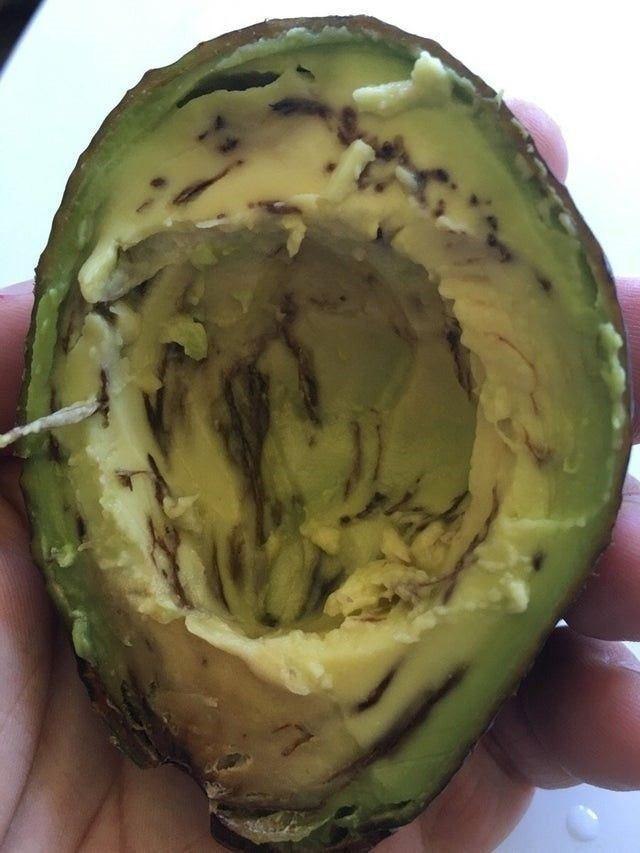
Once it’s open, look closely.
Good to eat: Uniform light green flesh.
Still okay: Small, isolated brown spots or thin, dark streaks (these can come from bruising or growing conditions—simply slice them away).
Toss it: Widespread brown or black patches, especially if the discoloration reaches deep into the flesh, or if the texture is excessively stringy or mushy.
4. Trust Your Nose (and Taste—as a Last Resort)
A fresh avocado smells subtly sweet and nutty.
Throw it out if it has:
A sour or fermented odor—this indicates spoilage.
A chemical or “off” smell—a sign the oils may have turned rancid.
If it passes the look and smell test but you’re still unsure, a tiny taste will confirm: any sour or bitter flavor means it’s gone bad.
Quick Reference Guide
Condition Texture & Appearance Is it safe to eat?
Underripe Firm, no give when squeezed. Skin is bright green (Hass) or green. Yes—but let it ripen first.
Perfectly Ripe Yields slightly to gentle pressure. Skin is darker (Hass) or still green. Flesh is light green. Yes—ideal for slicing.
Very Ripe Noticeably soft, may have minor dents. Flesh may have small brown spots. Yes—best for mashing or blending.
Overripe/ Spoiled Mushy, deep dents, sunken areas. Flesh is mostly brown/black, smells sour, or tastes off. No—discard.














Post Comment