How to Know if That Avocado Is Safe to Eat
Avocados can be a pricey splurge—and nothing is more disappointing than cutting one open only to find it’s past its prime. But often, what looks “bad” is actually still perfectly edible. Knowing the difference can save you money and prevent unnecessary food waste.
Avocado recipes cookbook
Because avocados don’t begin to ripen until they’re picked, timing is everything. Once ripe, their window of perfect freshness is short—usually just a few days. Use this simple guide to judge whether your avocado is ready to eat, ready to mash, or ready for the compost.
1. Feel the Firmness: The Gentle Squeeze Test
Ignore color—texture tells the real story.
How to check: Cradle the avocado in your palm and apply gentle, even pressure. Avoid using your fingertips, which can bruise the flesh.
Rock hard? It’s underripe. Give it 2–5 days on the counter.
Slight give? It’s ripe and perfect for slicing.
Leaves a small dent? It’s very ripe—ideal for mashing into guacamole or spread.
Eating utensil set
Feels mushy with a large, lasting dent? Likely overripe. If the skin also looks sunken, it’s probably past its prime.
2. Check the Skin: Know Your Variety
Color clues vary by type.
The most common variety—Hass—changes color as it ripens:
Unripe: Bright, bumpy green.
Ripe: Dark green to purplish-brown.
Overripe: Very dark, almost black, often with an overly soft or mushy feel.
Other varieties like Fuerte or Bacon stay green when ripe, so always rely on texture over color.
Food storage containers
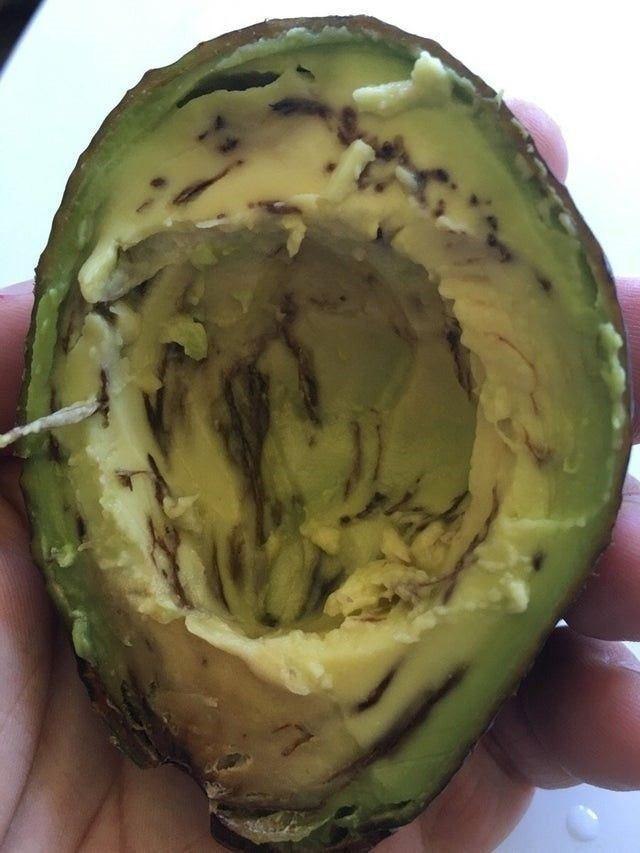
3. Inspect the Flesh After Cutting
continued on the next page